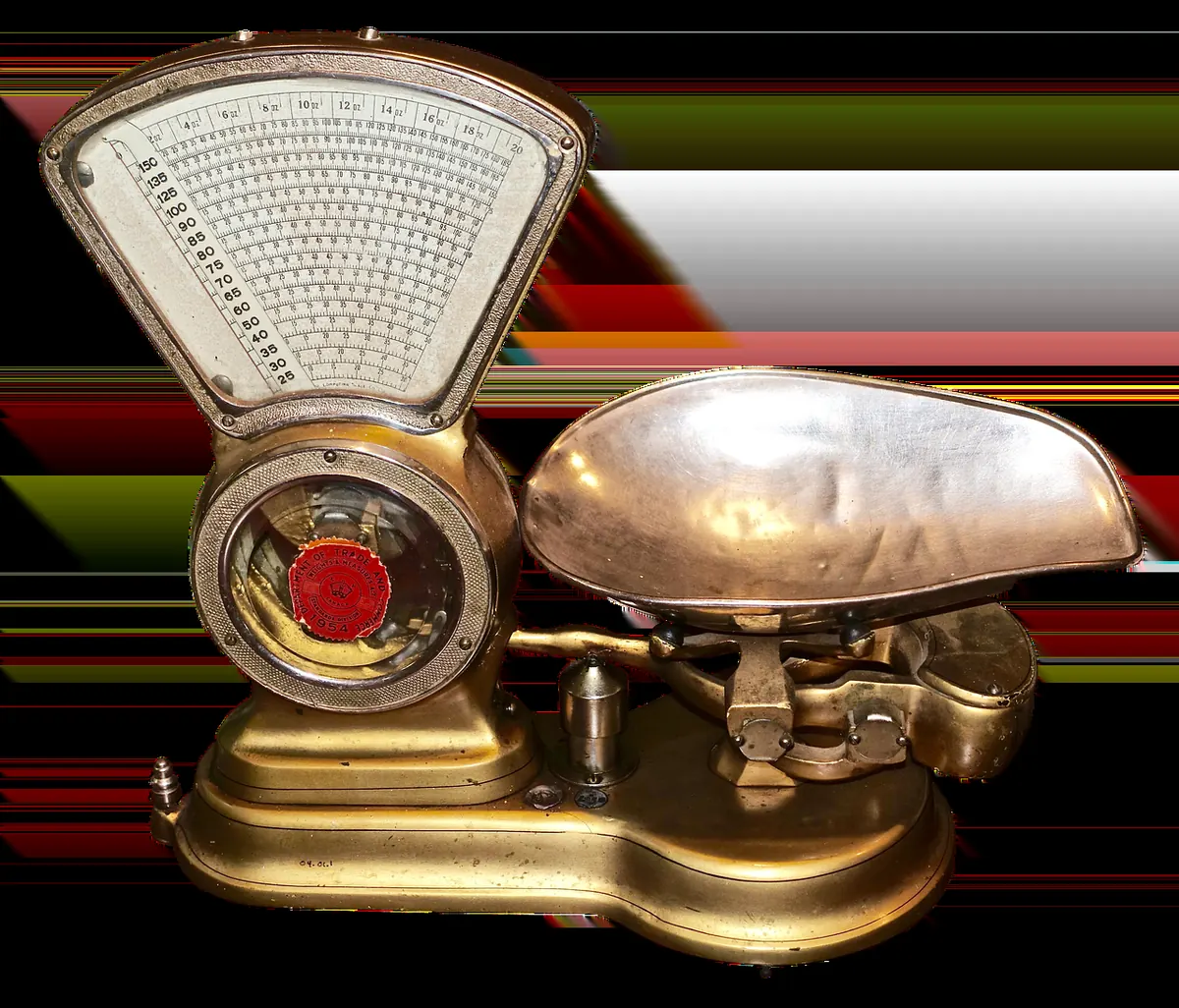
The scales sit on the shelf next to the logbook. Every morning, before the kettle goes on, you weigh your hawk. It takes seconds. But those seconds shape everything that follows: how she flies, how she hunts, how she responds to you. Weight management is not about making a bird hungry. It is about finding the precise point where she is keen, strong and safe. Get it right, and the season flows. Get it wrong, and you both struggle.
Why Flying Weight Matters
A hawk’s flying weight is the weight at which she is motivated to hunt and work with you, but not so light that she is weak or compromised. Too heavy, and she may ignore the lure, fly off, or show little interest in the days’ work. Too light, and she may be lethargic, prone to illness, and perform poorly. The goal is a bird that is alert, responsive and physically sound.
Condition is not just a number on a screen. It is muscle, feather, attitude and appetite. The scale is one tool among several. Use it alongside your eyes and hands. A hawk that looks bright, feels well-muscled and flies eagerly is in good condition, even if her weight is a few grams above or below your target.
The Daily Weigh-In
Consistency is everything. Weigh your hawk at the same time each day, ideally early morning before feeding and after overnight casting. Use digital scales that measure in grams. Check them regularly for accuracy, and keep them clean and level. If you change scales, compare readings before you trust them.
Weigh the bird in a familiar container or on a T-perch that fits the scales. Keep the routine calm and quiet. Record the weight immediately, along with the date, time, food given the previous day, behaviour, droppings and casting. A dedicated notebook or spreadsheet works well. Here is a simple daily routine:
- Weigh at the same time, before food.
- Record the weight in grams.
- Note behaviour: alert, quiet, screaming, lethargic.
- Check droppings and casting.
- Decide the day’s food portion based on the target range.
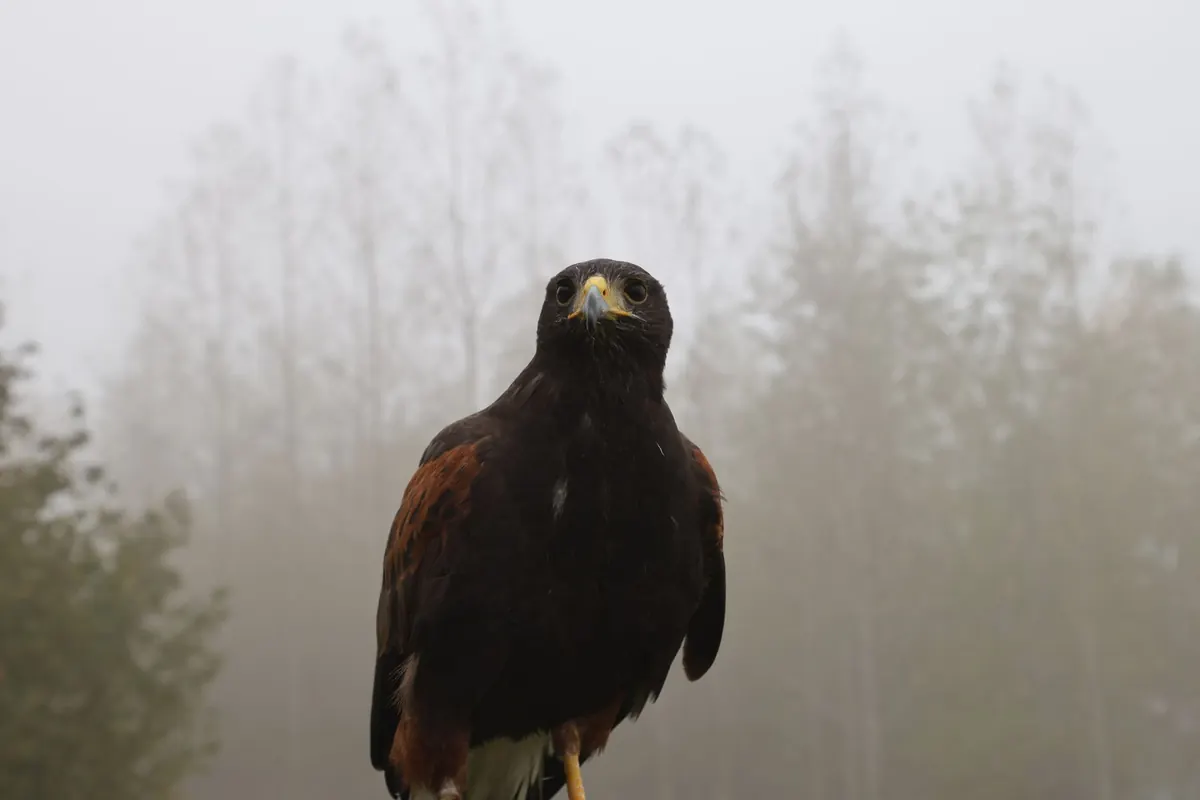
For example, a Harris hawk might fly at 780g. If she weighs 810g this morning, she is 30g over. Today’s feed will be smaller. If she weighs 760g, she is under target, and you will increase her food slightly. Small adjustments, made daily, keep her steady.
Reading the Numbers
Daily fluctuations are normal. A difference of 10–20g can come from food still in the crop, water, or casting. Look at the trend over three to five days, not a single reading. A target range is more useful than a fixed number. For a Harris hawk, that might be 780–800g. If she sits consistently above the range, reduce food. If she sits below, increase.
Use your hands as well as the scale. Run a finger along the keel bone. You should feel a rounded muscle either side, not a sharp ridge. Droppings should be well-formed, dark with a white cap. Eyes should be bright, and behaviour responsive. If she is screaming constantly, she may be too light. If she is dull and slow, she may be too light or unwell. A healthy working hawk is keen but not desperate.
Adjusting the Diet
Food is your main lever. Weigh portions accurately. Use natural prey such as day-old chicks, quail, rat or mouse pieces. Feed one main meal in the evening. If your hawk is above target, reduce the portion by 10–20g. If she is below, increase it by the same amount. Never make large cuts in one go. A bird’s metabolism is efficient, and drastic changes can cause problems.
Here is a simple adjustment method:
- Check the morning weight against your target range.
- If 20g over, cut the evening meal by roughly 15–20g.
- If 20g under, add 15–20g to the evening meal.
- Weigh again the next morning and record the result.
- Adjust again only if the trend continues for two or three days.
Water matters too. Some falconers offer a little water with the food, especially in hot weather or after hard flying. Do not soak food excessively. If you are unsure about your bird’s hydration or diet, speak to an experienced falconer or an avian vet.
Weekly and Seasonal Patterns
Weight needs change through the year. During the moult, many hawks need to carry a little more weight and eat more food. In the hunting season, energy output rises, so you may need to increase portions. Cold weather demands more calories; hot weather can reduce appetite. Keep notes on weather, activity and moult stage alongside your daily weights.
A weekly review helps you spot trends. Look back at the week’s weights and food portions. If you have flown every day, weight may drop faster. If you have rested the bird, weight may creep up. Adjust your feeding before the trend becomes a problem. A calendar or simple spreadsheet makes this easy. The more you record, the better you read your hawk.
Safety and Red Flags
Weight management is not deprivation. Never starve a hawk to make her fly. Watch for warning signs: a sharp keel bone, sunken eyes, dull feathers, lethargy, refusal to eat, or abnormal droppings. Unexplained weight loss of more than a small percentage is a red flag. If you see any of these, stop and seek advice from an avian vet or a trusted mentor.
Every bird is an individual. Some fly better a little heavier; some need to be leaner. The scale is a guide, not a master. A healthy hawk is a working hawk. If you are new to falconry, find someone experienced to check your routine. If you have any health concerns, professional advice is always worthwhile.
A Routine That Works
Keep it simple. Same time, same scales, record the weight, adjust food in small steps, and observe the bird. Five minutes a day is enough. Keep a pen by the scales and a notebook you actually use. Trust the routine, and let the numbers inform your decisions rather than dictate them. The season is long; consistency pays. If something feels wrong, ask for help. A well-managed hawk is a joy to fly, and that starts with the morning weigh-in.
Photo: Momentmal / Pixabay