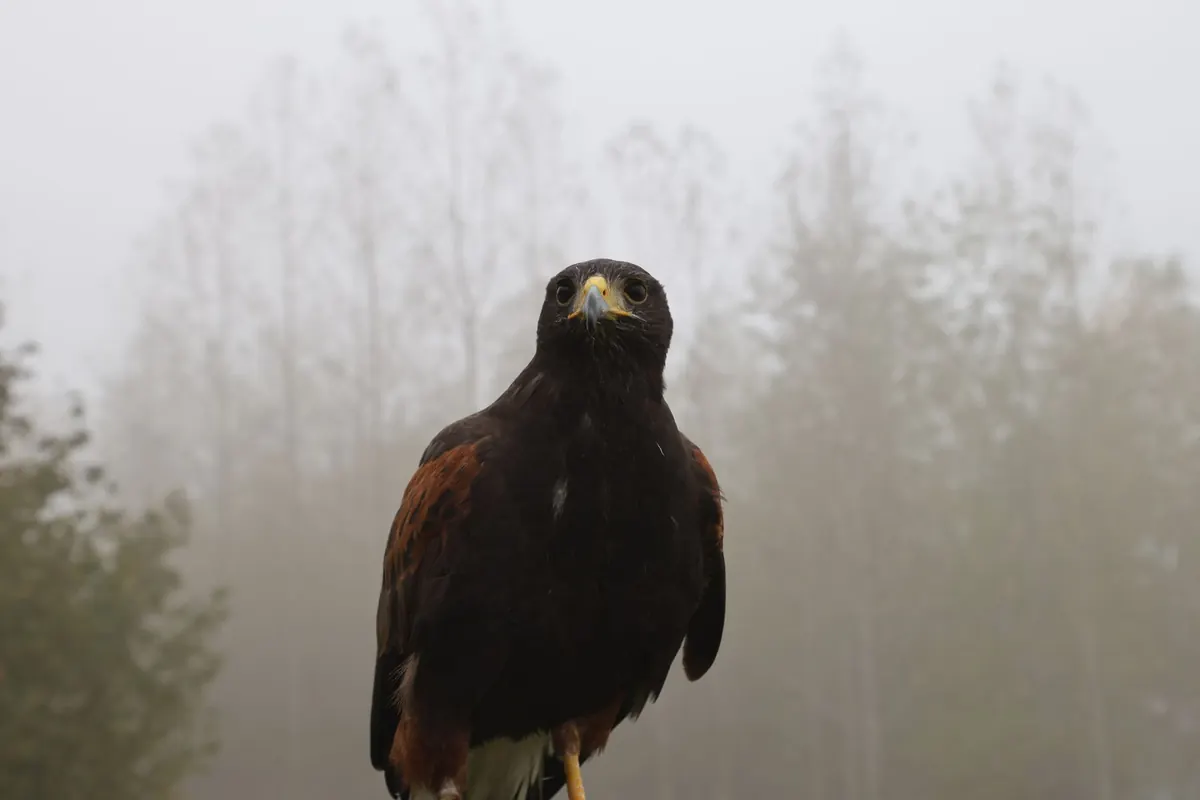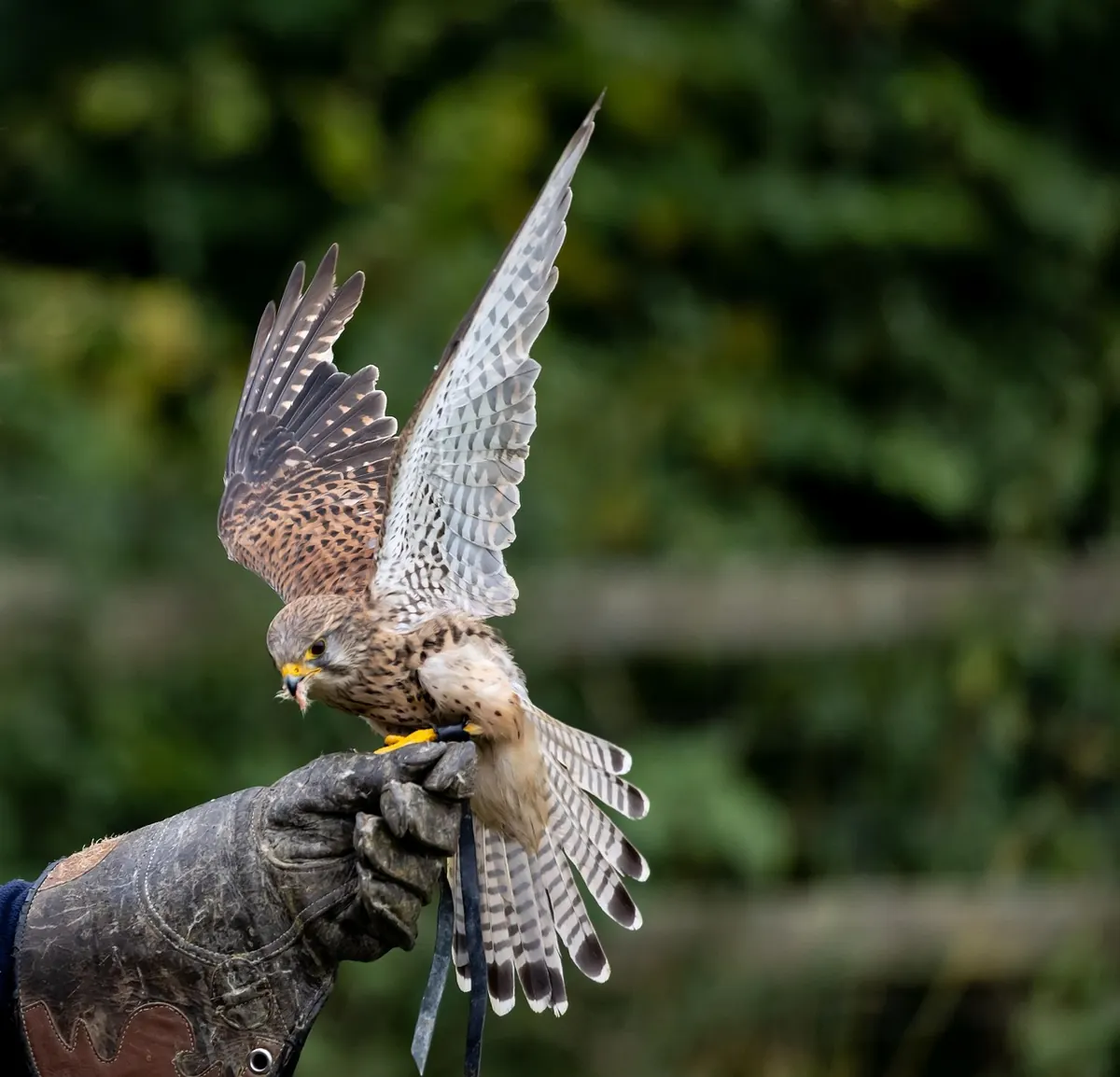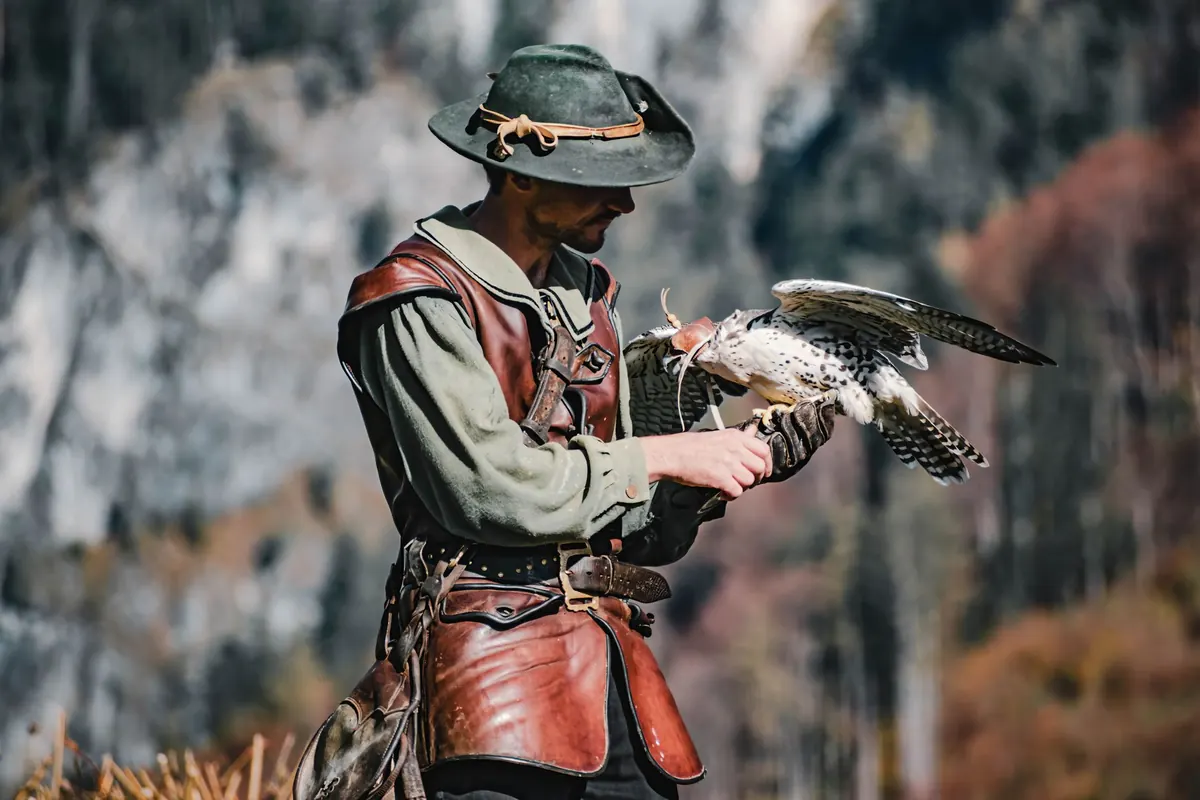
Nobody comes to falconry because it looks easy. They come to it because a kestrel hung in the wind above a verge, or a Harris hawk crossed a field and turned back to the fist, and something clicked. Then a bird arrives on the perch in the garden, and the distance between watching and doing becomes very clear.
Most beginner mistakes are not dramatic. They are small, repeated, and they accumulate: a bird handled far too much, a weight that drifts a few grams the wrong way, a jess one size too big, a first free flight taken a month early. None of these is a catastrophe on its own. Together they produce a bird that will not come back and a handler who cannot work out why. Here are the five that come up most often, and how to sidestep them.
1. Overhandling the Bird
It is hard to resist. The bird sits on the fist, calm and beautiful, so you stroke its chest, show it to a visitor, carry it round the garden while you get on with other things. It seems harmless. It is not.
A raptor that is completely relaxed around people is not the same as a trained raptor. Familiarity is a tool, not a goal. Birds passed from hand to hand learn to sit still, but they also stop paying attention. The bird that watches you closely — because your presence reliably means food, flying and interesting things — is the bird that will follow you across a field. The one that has been stroked and cuddled for a fortnight often just sits there, indifferent, and every attempt to call it in is met with the same blank patience.
Handling should have a purpose:
- Manning — getting the bird used to people, traffic, dogs and the rest of the world in short, calm sessions.
- Weighing — the daily ritual that governs everything else.
- Feeding on the fist — the beginning of every piece of training you will ever do.
- Flying — the point of it all.
Outside those, leave the bird on its perch. Keep sessions short, especially at first, and finish before the bird starts bating. A bird that thrashes on the fist breaks tail feathers, damages wings and learns that the glove is a place to struggle.
2. Poor Weight Control
Everything in falconry runs on weight, and most serious beginner problems trace back to it. Fly a bird too heavy and it has no reason to come to you. Fly it too light and you get a bird that is desperate, frantic and prone to chasing anything that moves.
The habit to build is unglamorous: weigh the bird every day, at the same time, on the same scales, before feeding, and write it down. Over a few weeks you will learn its flying weight — the figure at which it is keen, alert and responsive rather than hungry or indifferent. Then you learn to read the bird rather than the number. Cold weather, wind and hard work all burn energy, so a weight that flew beautifully on Tuesday may be a touch high or low by Saturday.
Move weight slowly. A few grams a day is plenty. And if a bird drops weight quickly, sits fluffed up, loses interest in food or simply does not seem right, stop and speak to an avian vet — small birds of prey have very little margin.
3. Incorrect Equipment
Falconry kit is unglamorous, and it matters more than most beginners expect. Ill-fitting leather rubs, tired leather snaps at the worst possible moment, and a badly made hood will teach a bird to hate the hood for the rest of its life.
What to check before every flight:
- Jesses — supple, correctly fitted, and short enough that the bird does not stand on them.
- Anklets — snug without pinching, sitting flat rather than twisting.
- Swivel — a sound one, so the leash cannot twist and bind.
- Leash — intact, free of knots, replaced the moment the leather looks worn or stretched.
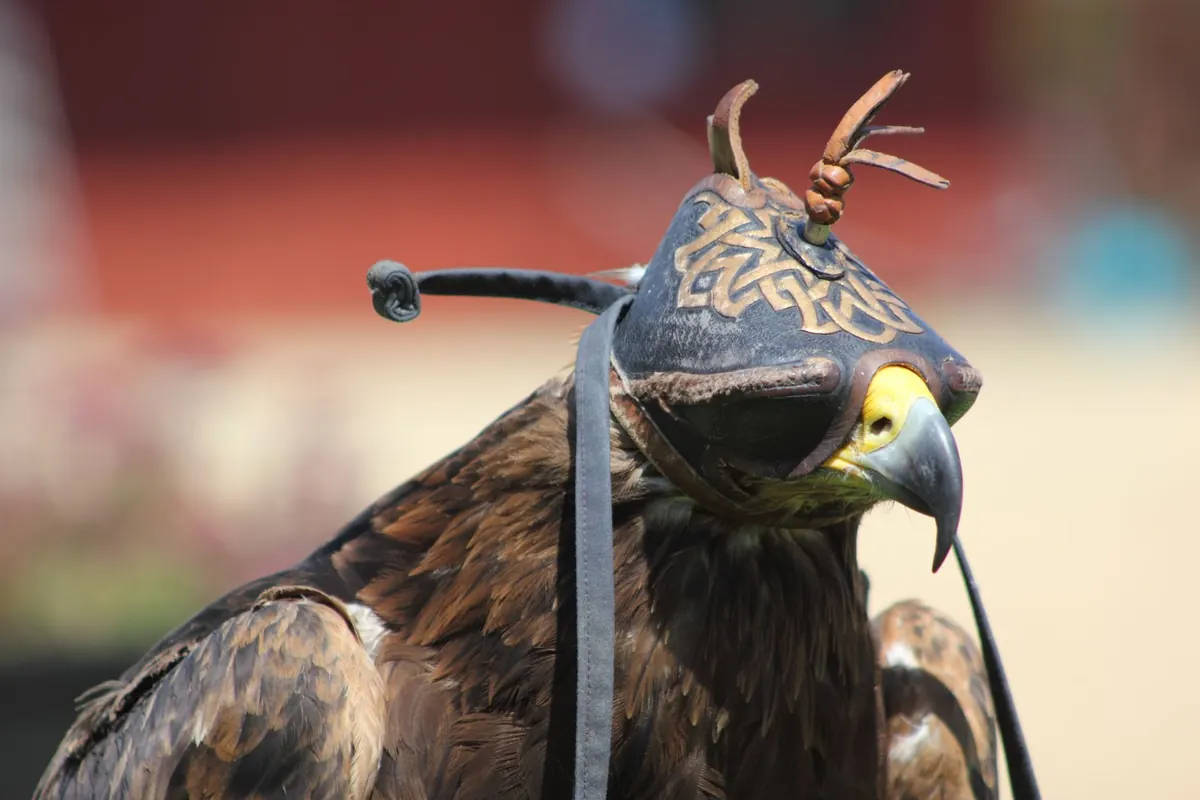
- Hood — a clean fit, straight gape, nothing rubbing an eye.
- Perch — the right diameter, non-abrasive, out of draughts.
Wet leather stretches and worn leather fails. Buy the right size, look after it, check it. If you are unsure whether something fits, ask someone experienced to look at the bird wearing it — an eye that has seen a hundred birds will spot a problem in seconds.
4. Rushing Free Flight
This is where enthusiasm costs the most. A bird that has come to the fist indoors ten times is not ready for open ground. There is a sequence, and skipping steps in it is how birds are lost.
- Feeding confidently on the fist in a quiet, familiar place.
- Jumping or hopping a short distance to the fist for small pieces of food.
- Recall on a creance — a long line — in an enclosed, safe space.