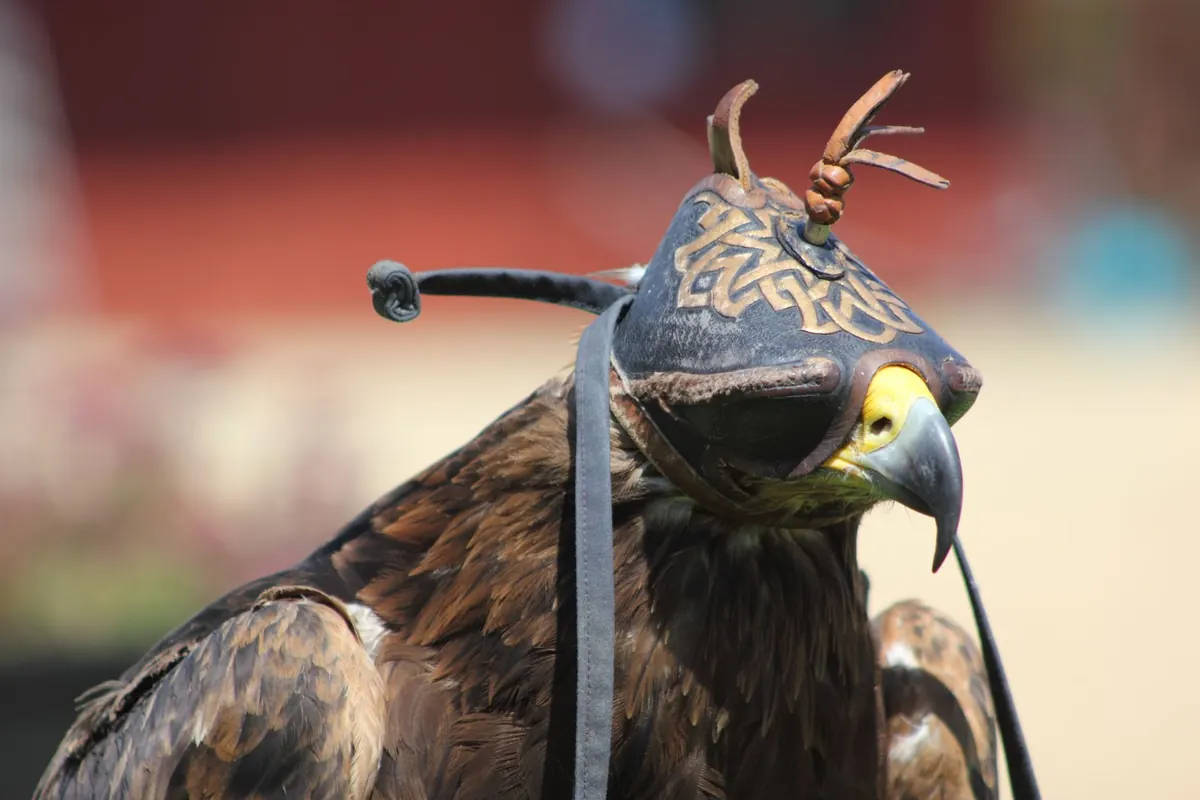
Jesses are the smallest item in the kit and the one piece your bird never takes off. They sit against the leg through every bate, every wet morning on the fist, every scramble through a hedgerow after a rabbit. They get soaked, muddied, chewed and stretched, and they fail at the worst possible moment if you are not paying attention.
Choosing between anodised aluminium and leather is not a brand decision. It changes how the jess behaves under load, how much maintenance you take on, and how the shock of a hard bate travels up your bird's leg. Both materials work; neither is a shortcut. Here is how they compare in real, everyday use.
What each material actually is
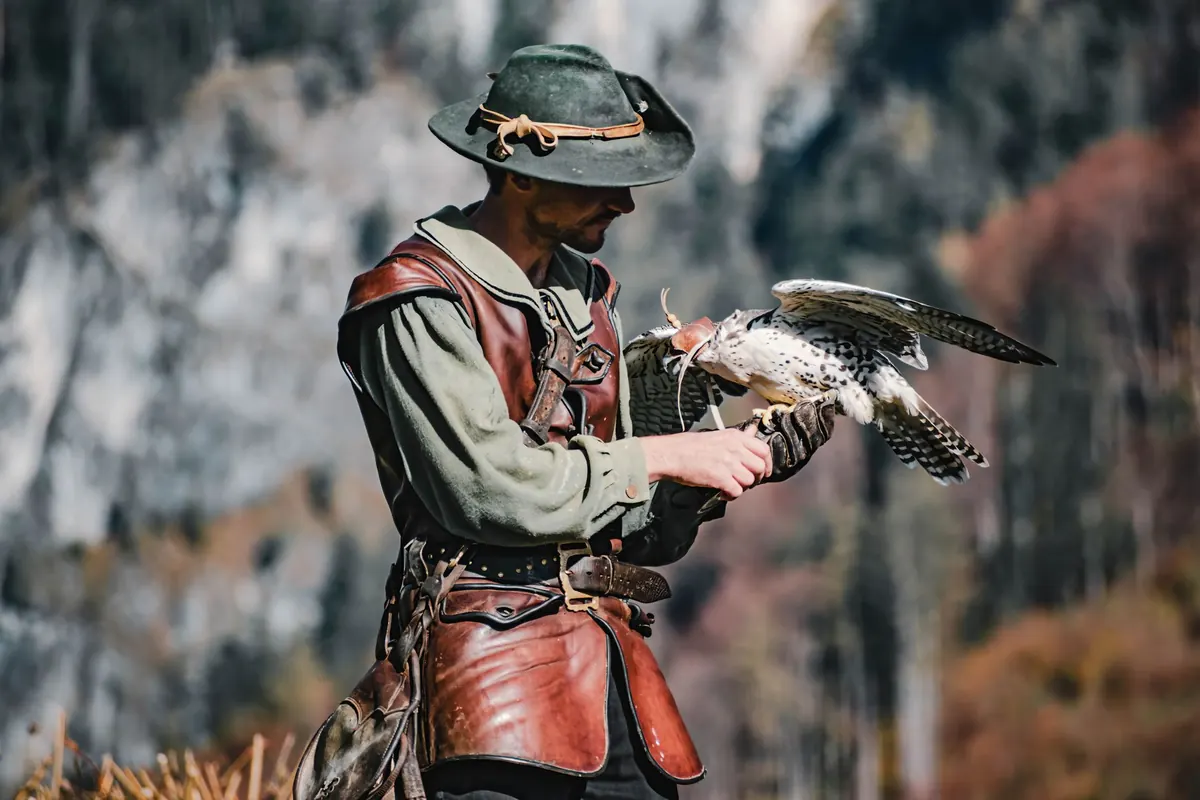
Leather jesses are the traditional answer. They are cut from a single piece of hide — cowhide for general work, kangaroo where a thinner, stronger strap is wanted — with slits finished at each end to take the anklet and the swivel. Most falconers buy them slightly tapered and oil them to keep them supple. Good leather has a soft, almost rope-like feel in the hand, and it goes quiet when the bird moves.
Anodised aluminium jesses are machined from alloy and then anodised, a process that converts the surface layer into a hard oxide that takes dye and resists abrasion and corrosion. Many designs pair the metal body with a leather or synthetic sleeve where the jess passes through the anklet, which cuts down on metal-on-leather wear. The result is rigid, washable and almost impossible for a bored hawk to chew through.
Durability and how each one fails
Leather fails slowly, which is both its strength and its danger. It stretches, the slits soften and open, the edges go dark and stiff, and one day a jess that looked perfectly serviceable parts at the slot while your bird is on the creance. It is also edible. A hawk with time on its beak will worry away at a leather jess until it is frayed, and a bird left on a perch for long, dull hours is the usual culprit.
Metal fails rarely, but when it does it tends to be sudden. Look for a burr where the jess has been dropped or bent, and for the anodising wearing through at the contact points where it meets the swivel. Bare aluminium will oxidise to a dull grey, which is cosmetic, but a rough edge is not — run a fingernail along every edge and slot before you put it anywhere near a leg.
Weather, wet and mud
Leather dislikes water. A soaked jess stiffens as it dries, and if it is put away damp in a glovebox or a bag it will rot quietly at the fold. Wipe leather down after a wet day, let it dry away from direct heat — a radiator will bake it brittle — and dress it sparingly with a proper leather conditioner. Over-oiling is as bad as neglect; a jess that has gone floppy will stretch under load.
Metal simply does not care about rain. What it does care about is cold. Aluminium pulls heat out of whatever it touches, and on a hard frost a metal jess against a bare leg is genuinely unpleasant. Some falconers keep a leather pair for the coldest weeks of the season for exactly this reason, and swap back once the weather breaks.
Weight and how the bird carries it
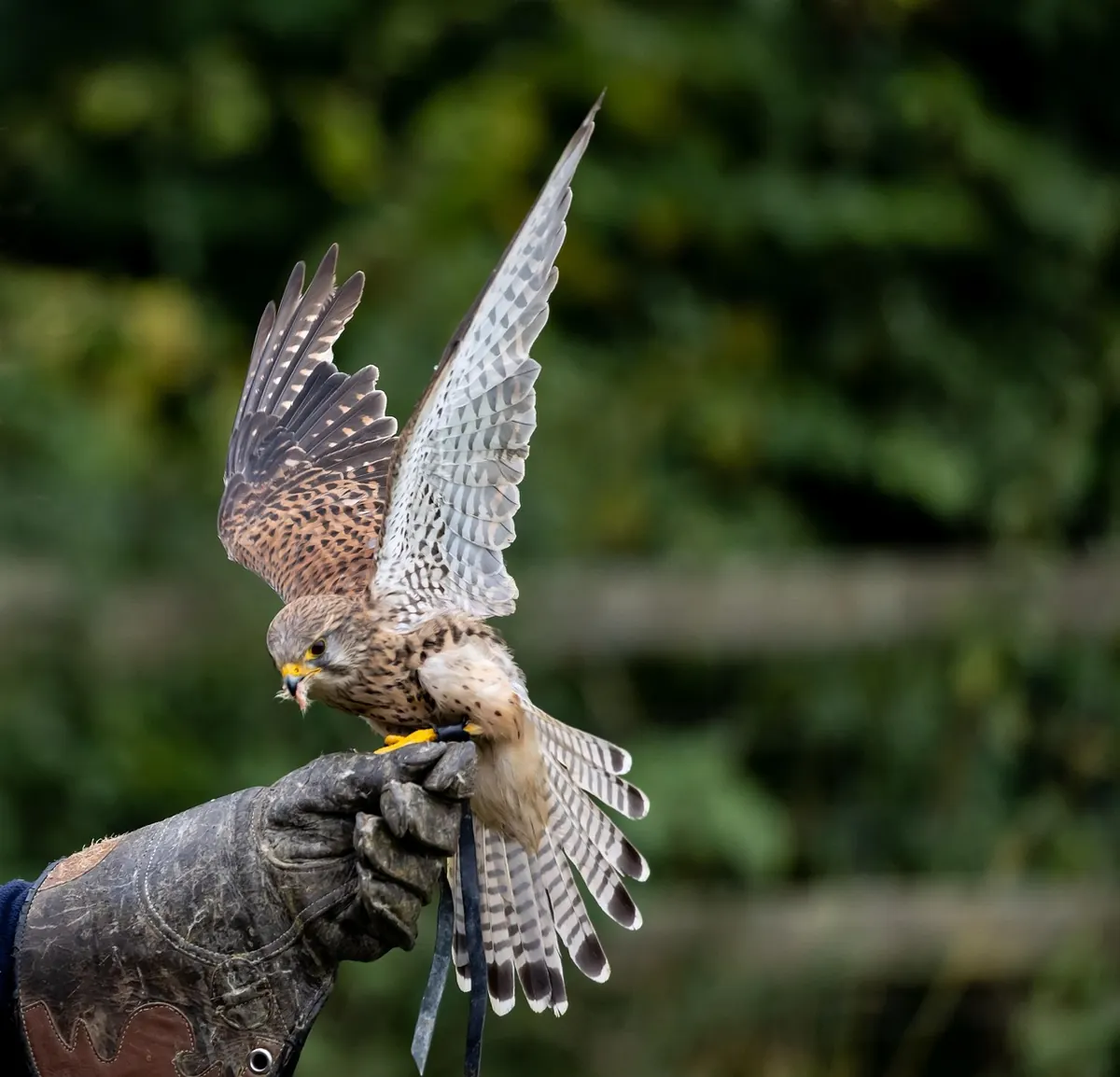
On a large female goshawk or a golden eagle, the difference between a leather jess and an aluminium one is nothing worth measuring. On a male sparrowhawk, a merlin or a kestrel, it is a real fraction of what the bird is carrying around, and small birds notice small things.
Rigidity matters more than weight. Leather gives slightly under load and absorbs some of the shock of a bate. Metal does not, so more of that force goes into the anklet, the leg and the swivel. A bird that bates hard and often is better served by leather for that reason alone.
Matching material to the bird
- Small falcons, male sparrowhawks, kestrels: light leather, kept short and supple.
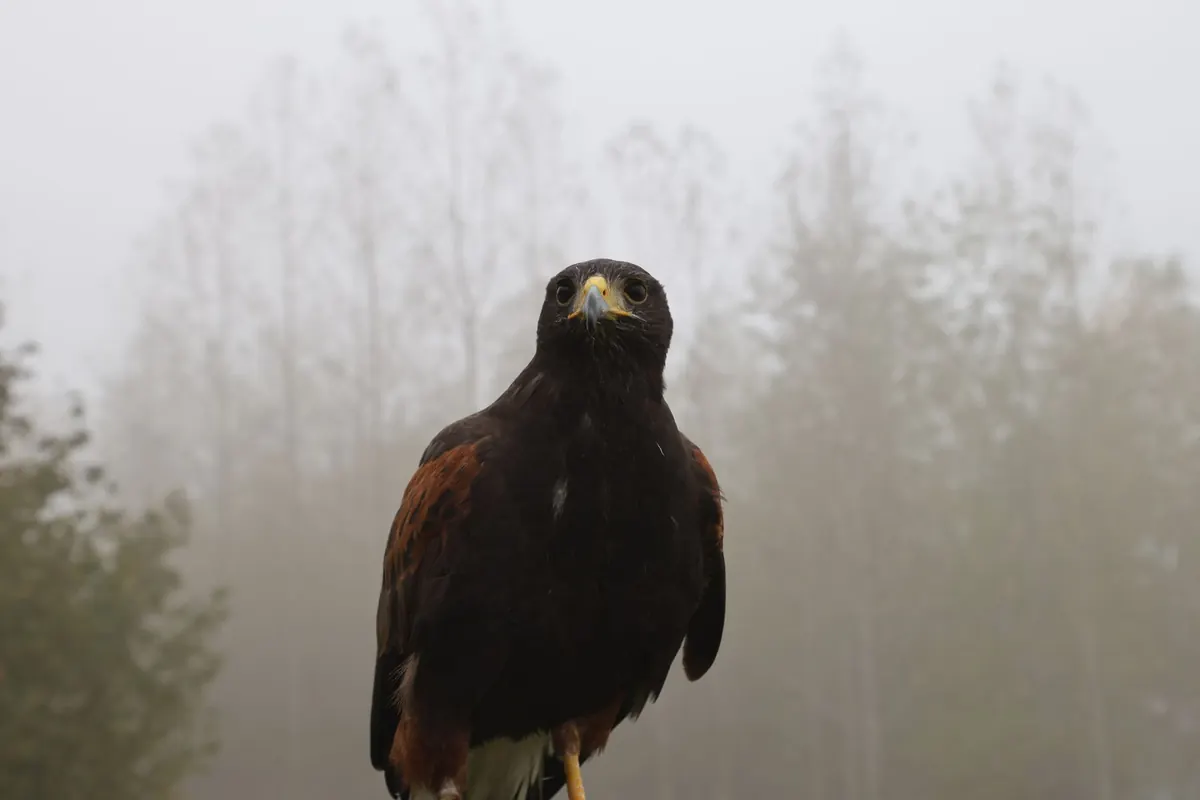
- Harris hawks and other medium birds flown regularly: either works; metal suits birds with a habit of chewing.
- Goshawks, large females, eagles: metal is a comfortable choice and easy to keep clean.
- Birds living outdoors on a bow perch or weathering lawn: metal dries with a wipe and shrugs off mud.
- Birds with sensitive or previously injured legs: leather, and a conversation with your vet about fit and loading.
Welfare and handling considerations
Material matters far less than fit, length and the swivel. A badly fitted leather jess is worse for a bird than a well-made metal one, and the reverse is also true. Whichever you choose, the jess should be short enough that it cannot be trodden on and long enough to handle comfortably, and it should never be left long enough to catch on the swivel or tangle in the anklet.
Chewing is worth reading as a symptom rather than a nuisance. If your bird is destroying leather jesses, look first at how long it is left perched with nothing to do. Metal stops the chewing but does not solve the boredom, and a bored hawk will find something else to work on.
For free flight, many falconers shorten their jesses to field length or remove them entirely, depending on the bird and the method. A rigid metal jess is less forgiving if it does snag. If you are unsure what suits your bird, ask an experienced falconer who flies the same species in the same terrain, or speak to your vet about any leg concerns.
Day-to-day maintenance
- Check both jesses every day, and after every hard bate. Look at the slits, the edges and the points where the jess meets the swivel.
- Wipe leather dry after wet sessions, let it air, and dress it lightly every few weeks rather than every week.
- Retire leather at the first sign of stretching, cracking or a widening slit. It is the cheapest part of the kit to replace.
- Inspect metal for burrs, cracks and worn anodising, and check that the swivel moves freely without play.
- Keep pairs matched. One odd jess will sit differently on the leg and load the swivel unevenly.
Which should you choose?
If you fly a small bird, work in all weathers, and value quiet kit that gives a little under load, leather is hard to beat. It is light, silent, kind to the leg and easy to replace. Accept that it is a consumable and inspect it accordingly.
If you keep a medium or large hawk that chews, lives outdoors and comes back from the field caked in mud, anodised aluminium earns its place. It wipes clean, does not rot, and will outlast several sets of leather. Accept that it transfers more shock, feels cold in a hard frost, and needs an edge check rather than an oiling.
Plenty of falconers keep both pairs — metal for the mews and the moult, leather for the flying season — and swap as conditions and behaviour change. That is not indecision; it is just honest kit management. Start with the material that suits your bird's size and habits, fit it properly, and check it daily. The jesses you trust are the ones you have looked at today.
Photo: Freddie Ramm / Pexels