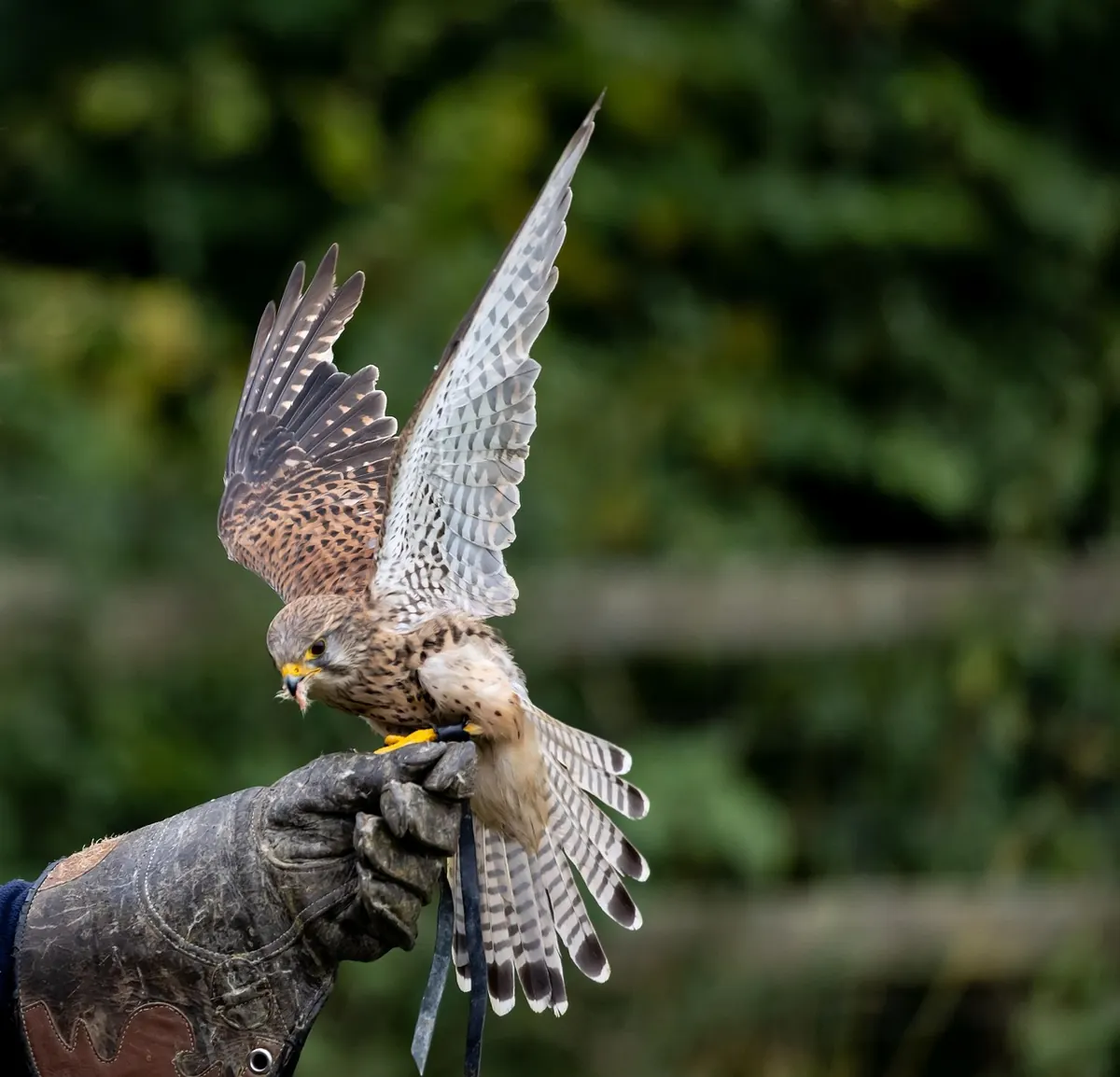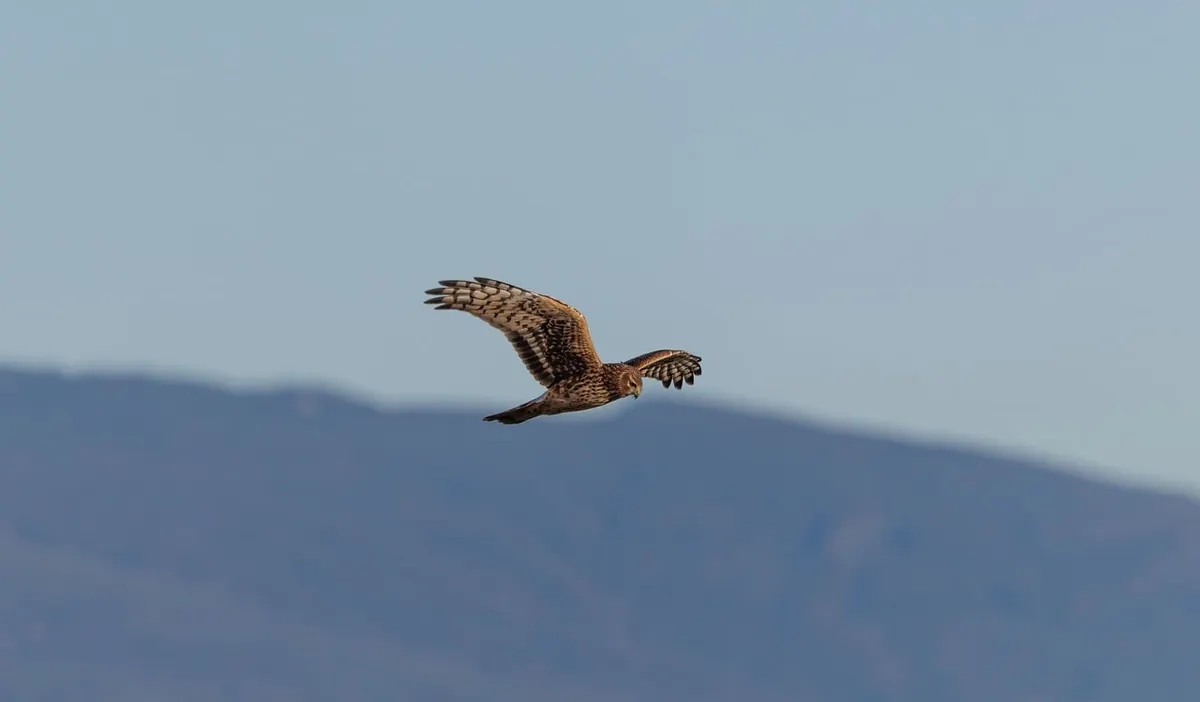
A hawk does not check the forecast. Some of the finest flights happen in weather you would rather not stand around in, and some of the worst decisions in falconry are made in exactly the same conditions. The difference between a productive wet-weather session and an expensive one usually comes down to a few judgements you can make before the bird leaves the fist.
Read the wind before you fly
The wind speed on your phone tells you what a weather station recorded on open ground a few miles away. It tells you nothing about the gust that funnels between two hedges, or the calm pocket behind a barn. Stand still for a minute and look. Long grass bending flat, small branches swaying, a flag standing straight out — that is the wind you will actually be flying in.
Steady wind is workable. Gusting wind is not. A hawk can learn to handle a constant breeze because it can predict it, but a wind that drops to nothing and then hits in two seconds will catch a bird mid-flight and push it into a road or a tree line. Pay attention to the difference between the average and the gusts, and treat every gust as the speed you are really dealing with.
For a young bird still learning its trade, keep it to a light breeze. A useful marker is the point at which small branches are moving, your hood is trying to lift, and you are no longer enjoying standing there. A handheld anemometer helps you check gusts rather than guess at them, and it is worth recording the figure alongside your bird's weight so you build up your own picture of what it can handle.
Direction matters as much as speed. Calling a bird into a headwind gives it lift and control on the approach, so it arrives on the glove rather than racing past it. A crosswind can push a hawk wide, and a tailwind invites an overshoot and an undignified scramble. Set yourself up so the bird has room to fly into the wind and land where you want it.
What rain does to a recall
Wet plumage is heavier plumage. A soaked hawk loses the flight performance it relies on to cover distance and land accurately, and small species chill quickly. That is the physical side. The behavioural side is worse, because a wet bird often decides it would rather sit still than fly, and a hawk sitting in a tree in the rain is a hawk that is not coming back on your terms.
Watch for the warning signs: a bird that lands short and stays on the ground, one that flits to a low branch and ignores the glove, or one that dawdles on the way in. In cold rain, a reluctant bird is telling you it is losing heat. Do not answer that by extending the session in the hope it improves. Shorten the distance, make the reward immediate and generous, and finish while the bird is still keen.
If you find yourself walking towards a bird that has already refused you twice, the session is over. Walk back, pack up, and try again tomorrow.
Gear and ground: what you can control
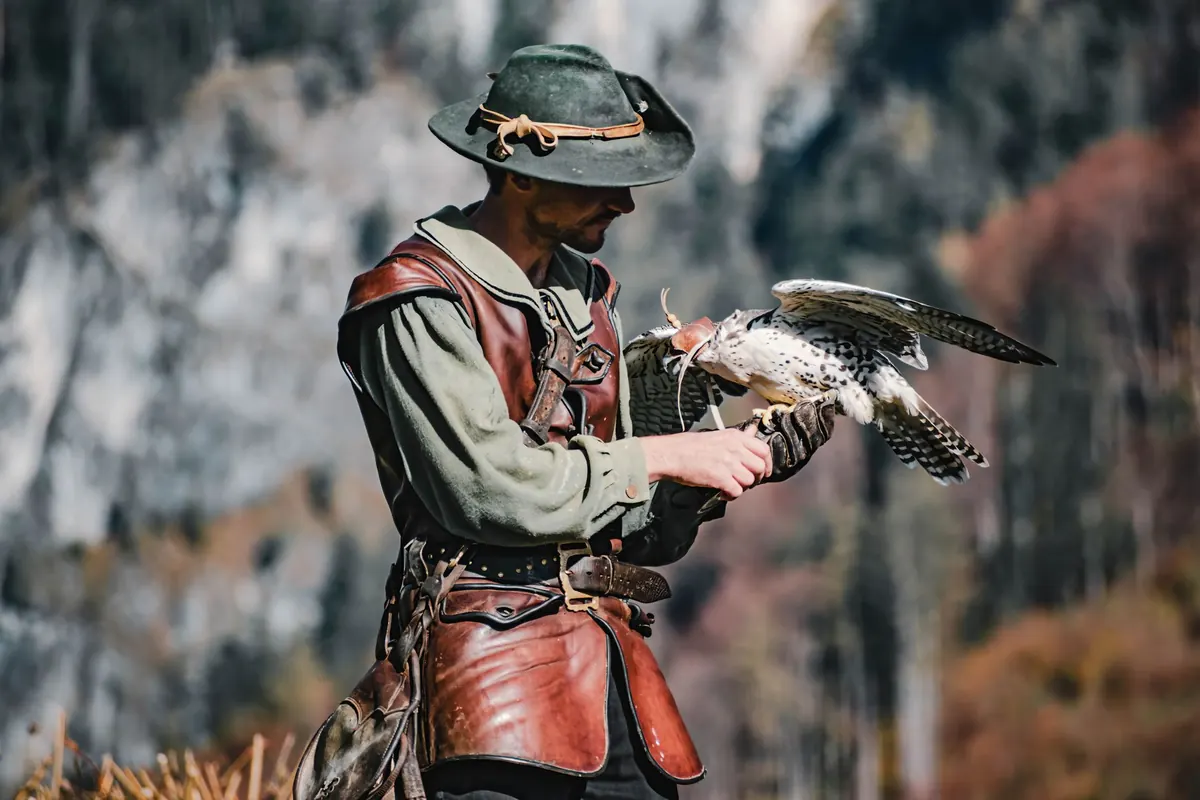
Poor weather exposes kit that is fine on a dry afternoon. Check the telemetry battery and the transmitter fit before you leave, not after the bird has gone up. Check jesses and the swivel for wear, and carry a spare. A wet leather glove is slippery and cold, so keep a dry one in the bag — a bird that cannot grip securely will be reluctant to commit to the fist, and cold feet on a wet glove is a miserable way to end a flight.
Choose the ground as carefully as you choose the day. Standing water, boggy gateways and icy tracks are all avoidable. So are roads, livestock fields, and the windward face of an open hill. On a rough day, the lee side of a hedge, a woodland ride or a sheltered paddock will give you a usable session when the open field will not.
A poor-weather session plan
- Decide your limit before you set out, and stick to it.
- Halve the session. Fifteen good minutes beats an hour of attrition.
- Cut the distance. Short recalls keep the bird confident and the flight safe.
- Fly in shelter, and work the bird into the wind rather than across it.
- Use the lure if the bird is hesitant or the weather turns mid-session.
- End on a success. Do not wait for conditions to improve.
- Weigh before and after, and adjust tomorrow's flight accordingly.
Species matter, and so does the season
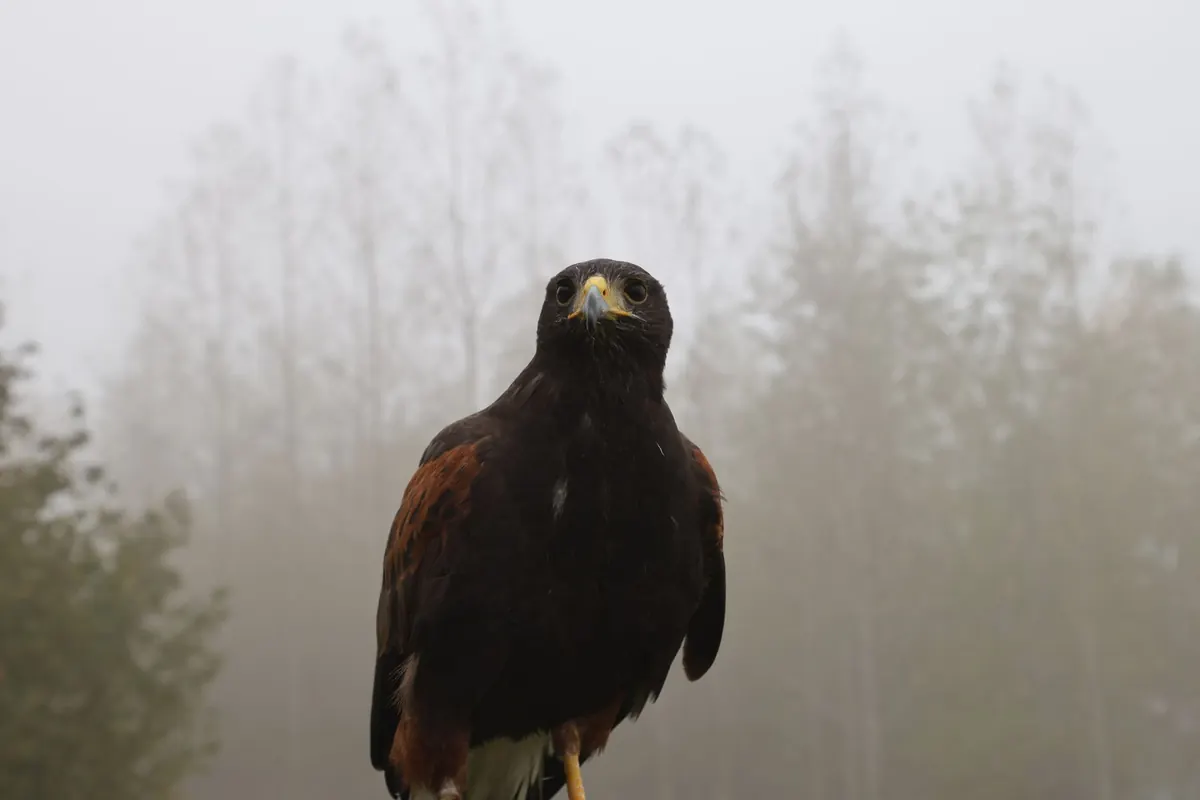
Harris hawks and other buteos
Hardy, forgiving and generally the most tolerant of a grey, blustery day — but they are heavy birds with a large sail area, and a strong gust will move them further than you expect. A lean Harris hawk in a steady breeze is fine. A fit one in a gusting gale is an exercise in watching your bird travel.
Goshawks and sparrowhawks
Woodland hawks often cope better than the forecast suggests, because the cover itself breaks the wind and catches the rain. The risk shifts to the ground: wet leaf litter, slippery branches, and a hawk that gets a slip and stays down in thick cover.
Longwings and small falcons
Peregrines lose their edge in heavy rain, and merlins and kestrels chill fast. Cold, wet and windy is the worst combination for a small bird, and there is nothing to be gained by proving it.
Drying down properly
A wet bird needs a warm, draught-free place to dry, with ventilation rather than a sealed box, and a dry perch surface. Avoid close radiators and heat lamps; gentle warmth is what you want, not a blast of hot air. Check the feet and the keel, and if the bird is hunched, shivering or unusually quiet, keep it in and let it recover. If anything seems genuinely wrong with its condition or breathing, speak to a vet who works with birds of prey rather than waiting to see.
When to cancel
Some days are simply not flying days, and knowing them in advance saves a lost bird. Cancel for thunder and lightning, hail, freezing rain or sleet, sustained heavy rain, and fog or low cloud that would make a lost hawk impossible to find with telemetry. Cancel for gales and for gusting winds beyond what your bird has proved it can handle. Cancel when the ground is so wet that a hawk landing on it will be soaked within minutes, and cancel when your bird is not responding on the glove before you have even left the mews.
There is no prize for flying in everything. The falconers who keep their birds for years are the ones who look at a filthy afternoon, weigh the odds, and go home. Build weather tolerance gradually, in light wind and drizzle, and your hawk will handle the difficult days far better when they arrive.
Photo: Veronika_Andrews / Pixabay